Choose something you can see
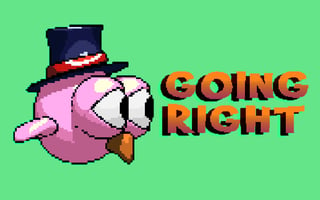
Timing becomes easier to compare when you have a repeatable cue. In Cerkio, choose a visible alignment before a launch. In Going Right, observe the bird's position relative to the next opening. The cue should be part of the scene rather than a vague feeling that enough time has passed. Watch the movement before acting when the level allows it. Your first goal is to understand the relationship between a single input and what happens next.
Classify the miss
After an attempt, describe the result as early, late or wrong target. Those are different problems. An early launch needs a later trigger; a late launch needs an earlier one. A wrong target suggests you were watching the wrong part of the scene, so changing timing alone will not help. If the result is unclear, repeat the same cue once more rather than changing several things at the same time. The aim is to make the next attempt informative.
Keep corrections small
A large correction can jump from one side of the timing window to the other. Make a modest adjustment and keep the visual cue consistent. For flight, avoid responding to every obstacle with a burst of taps: that may move the bird past the opening you intended to use. Consider the current position and the effect of the next action. Optional coins are a separate challenge; add them after the basic route becomes repeatable rather than using them to judge the first few attempts.
Try a five-attempt notebook
Use five attempts on one obstacle. Write a brief note after each: cue used, result and one planned change. For example: launched at alignment, slightly early, wait a little longer. Stop the experiment if the obstacle changes, because the old cue may no longer apply. In Morphit, use a related distinction: did you recognize the opening incorrectly, or recognize it correctly but change shape too late? This method will not guarantee a win, but it gives each retry a purpose beyond simply hoping your reflexes improve.