Start from what went wrong
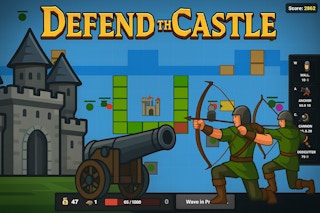
A defense game offers many tempting purchases, but a useful upgrade should answer a specific problem. In Defend the Castle, watch the wave before opening the next spending decision. Where did enemies advance farthest? Were you late responding, or did the existing defenses fail to handle pressure? Gold and wood are limited choices, so describe the problem in a sentence before spending them. This keeps the purchase tied to the board rather than to whichever button looks most exciting.
Compare the relevant alternatives
Cannons and archers are part of the game's defensive toolkit. Instead of declaring one universally best, compare the available options against the threat you observed. An improvement in a comfortable area may contribute less than a modest change near a weak point. Also look at what the purchase prevents you from buying next. Saving briefly can preserve flexibility, but saving while an immediate threat overwhelms the defense has its own cost. The situation, not the price tag alone, should determine the choice.
Make one change you can evaluate
After buying an upgrade, observe a comparable part of the next wave. Did enemies make less progress? Did a different area become the new weakness? If you change several things simultaneously, you may win without learning which purchase mattered. That can be fine when survival is the goal, but a practice session benefits from smaller experiments. Keep notes qualitative unless the game supplies reliable numbers; there is no need to invent damage or efficiency statistics.
Carry the habit into other games
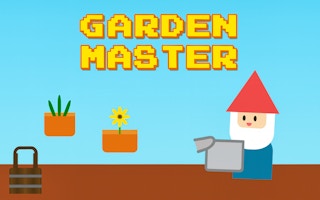
In Merge Mine - Idle Clicker, the equivalent question is whether a tool improvement noticeably changes collection under similar conditions. In Garden Master, ask whether an upgrade helps the routine you are struggling to maintain. The games have different rules, but purposeful spending is useful in all three. Before buying, state the job. After buying, check whether the job became easier. If the result is unclear, gather another observation rather than automatically repeating the same purchase pattern.